
Technology
Zebkit – Chromium's engine as a library you link, not a runtime you live in
By Katherine Langford
Advertisement · Why this ad?
Marcus manages the day-to-day editorial workflow across all brands, coordinating coverage assignments and ensuring editorial standards are met. He previously served as city editor at the Pioneer Press and holds a degree in Political Science from Carleton College.
More from Marcus →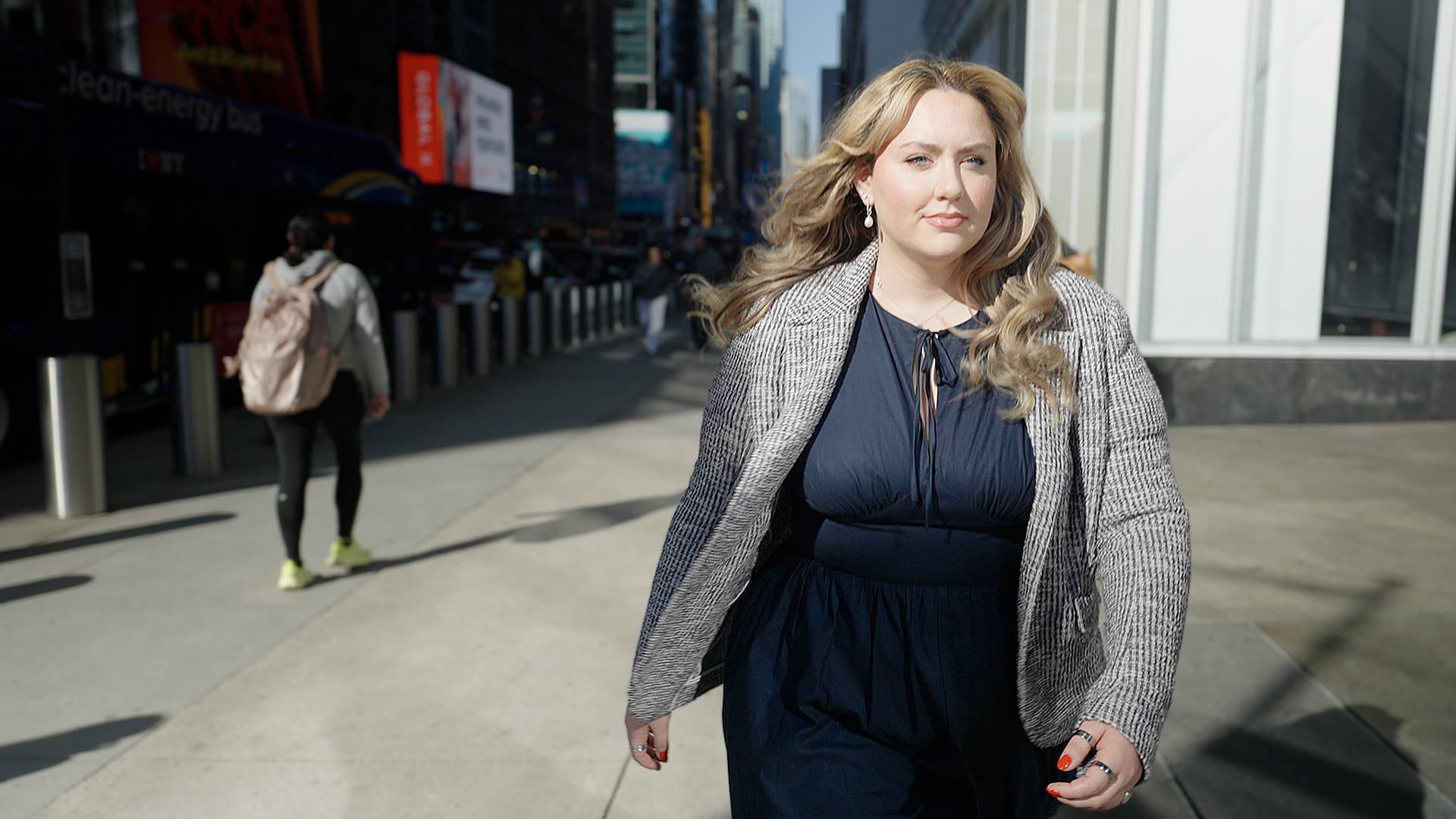
Skip Navigation Related Stories Work Millennials and Gen Z are landing fast-growing, high-paying AI jobs, according to LinkedIn study Work AI is making a mess of how humans interact at work Work New grads say employers set the bar too high for entry-level roles Land the Job Commute costs reshape job searches Work The bloated workweek is coming for your Sunday Erin Sullivan had only visited New York City once before she decided to take a job in the Big Apple. But that visit made a strong impression: "Having the freedom of just hopping on the subway and getting anywhere was so magical for me," she says. "I knew that I wanted to end back up" in the city. After graduating from the University of Oklahoma in 2023 with a computer science degree, Sullivan, 25, landed a role as a software engineer at Bank of America in New York City. She's part of a growing contingent of tech workers who are drawn to the city. The New York metro area is now home to the most tech workers in the country with 394,300 jobs, edging out the San Francisco Bay Area's 375,730 jobs, according to an August report from CBRE, a real estate services and investment firm. Between 2022 and 2025, New York's pool of tech employees grew by over 30,000, while San Francisco's shrank by nearly 24,000 workers. In today's tech talent market, "the Big Apple is on top," says Lauren Crowley Corrinet, vice chairman at CBRE. But a big part of New York's tech hiring boom comes from outside the traditional tech sector, according to Julie Samuels, president and CEO of Tech:NYC, a nonprofit representing the city's technology industry. According to Tech:NYC's data, just 35% of NYC's tech employees work at tech companies and startups, while 64% are employed by non-tech companies like banks and media organizations, based on their report published in November 2026. "When you think about industries like finance, like real estate — industries that have been in New York for a really long time — it has become increasingly clear that technology is driving their work as well," Samuels says. To keep up with artificial intelligence developments, "everyone is hiring" tech workers and consultants, she says: "All these traditional industries are thinking about how they can bring AI into the fold in their own work." And AI companies are expanding their reach in the city, too: OpenAI leased a 90,000-square-foot office in lower Manhattan, and Anthropic says it plans to double its New York workforce to 1,000 employees in 2026. It's no mystery why workers are drawn to New York City, according to Corrinet: "Everything's here, and it's just such a rich and engaging place for people to live." But New York's high cost of living can pose a challenge even for tech workers "who make six figures right out of college," according to Samuels. On the other hand, there are valid concerns that an influx of highly paid tech workers could worsen the affordability crisis for other New Yorkers, she says. Her goal is to ensure that New York's growing tech presence benefits all New Yorkers, not just those who work in the industry. Watch the video above to hear more from Samuels, Corrinet and Sullivan — plus more tech workers who are choosing NYC. Take control of your money with CNBC Select CNBC Select is editorially independent and may earn a commission from affiliate partners on links. The best credit cards for the hottest holiday toys of 2026 A sinking fund can help you avoid holiday debt. Here are the best ways to start How much could $1,000 earn in a 1-year CD? 4 ways to negotiate a good deal on a house in a buyer’s market Travel is getting more expensive. Here’s how to know if you’re getting the best hotel deal
By Katherine Langford

By Marcus Chen

By Katherine Langford

By Marcus Chen