Business
TSMC's October sales jump as global chip boom rolls on
By Katherine Langford
Advertisement · Why this ad?
Katherine oversees editorial operations across all six brands. Before joining The Meridan Group, she spent 14 years at the Minneapolis Star Tribune, where she led the metro desk through its digital transformation. She holds a Master's in Journalism from Northwestern's Medill School.
More from Katherine →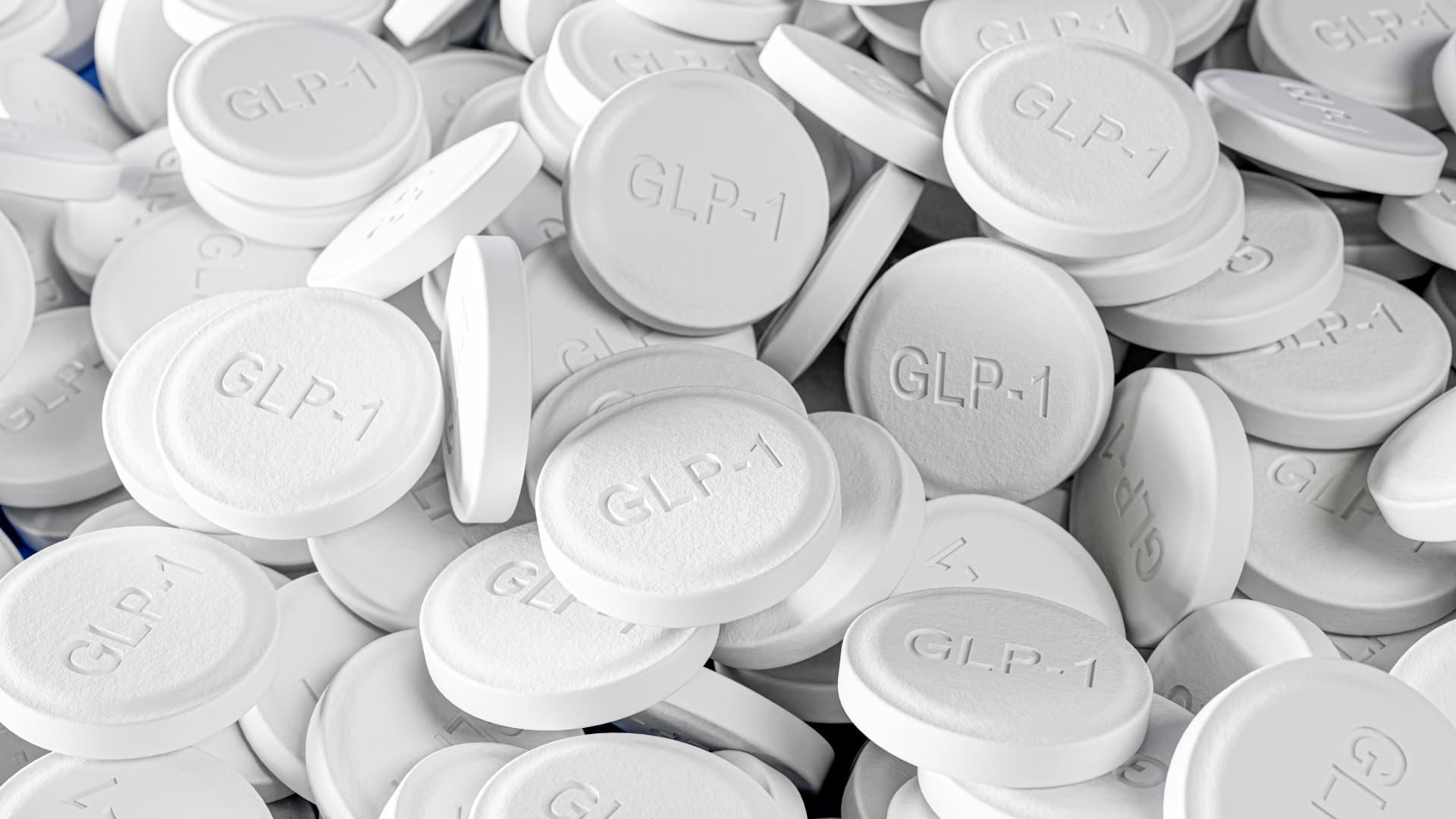
Skip Navigation Markets Business Investing Tech Politics & Policy Video Watchlist Investing Club PRO Livestream Menu Key Points The FDA is requiring the makers of all GLP-1 medications to add a warning about the potential increased risk of NAION. NAION is a rare condition caused by decreased blood flow to the front part of the optic nerve and can result in sudden decreased vision, including permanent vision loss. NAION cases have been reported for all currently marketed GLP-1 products, the FDA said. In this article NVO LLY NVO Follow your favorite stocks CREATE FREE ACCOUNT The U.S. Food and Drug Administration is requiring new safety warnings on all GLP-1 drugs after finding evidence of a potential increased risk of a rare eye condition, the agency said on Monday. The condition, which can cause sudden vision loss, known as nonarteritic anterior ischemic optic neuropathy (NAION), is rare, and a causal relationship has not been established. The FDA is requiring the makers of all GLP-1 medications to add a warning about the potential increased risk of NAION associated with use of these medications, it said. NAION is a condition that can result in sudden decreased vision, including permanent vision loss. It is caused by decreased blood flow to the front part of the optic nerve — the underlying cause is not completely understood, however. NAION cases have been reported for all currently marketed GLP-1 products, the FDA said. CNBC has reached out to Ozempic and Wegovy maker Novo Nordisk and Eli Lilly, the company behind Mounjaro, Zepbound and Foundayo, for comment. The FDA decision follows a review of clinical trials, real-world patient data, and published studies. An analysis of 126 trials involving more than 134,000 patients found 6.4 cases of NAION per 100,000 patient-years among GLP-1 users, compared with 3.8 among patients receiving other treatments or placebos. Several observational studies also identified an increased risk, supporting the FDA's concerns. Choose CNBC as your preferred source on Google and never miss a moment from the most trusted name in business news.
By Katherine Langford

By Marcus Chen

By Katherine Langford

By Marcus Chen