
Business
BOE Hikes Rates, Warns of Rising Inflation
By Marcus Chen
Advertisement · Why this ad?
Marcus manages the day-to-day editorial workflow across all brands, coordinating coverage assignments and ensuring editorial standards are met. He previously served as city editor at the Pioneer Press and holds a degree in Political Science from Carleton College.
More from Marcus →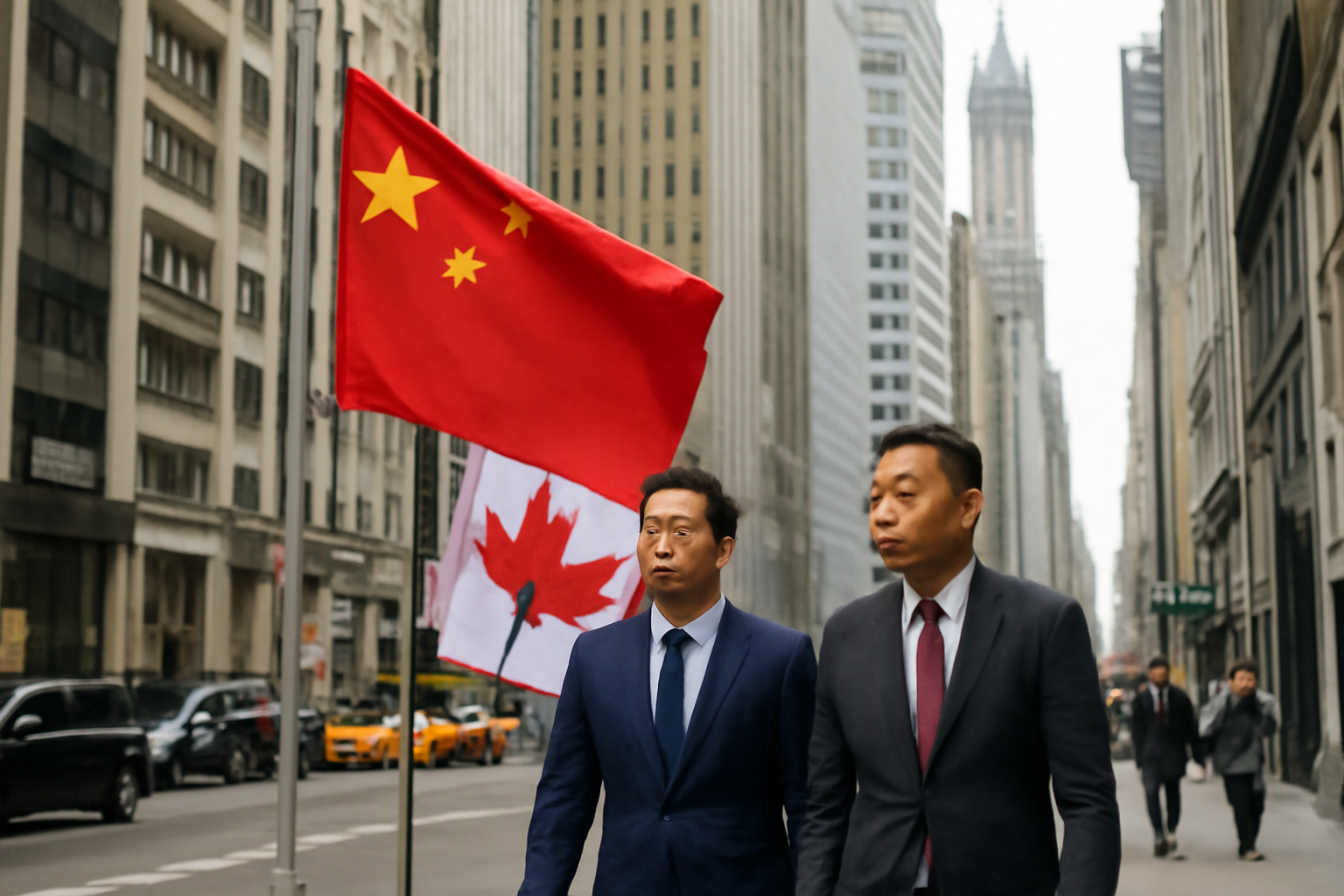
As the sun rises over the skyline of Toronto, a new chapter in China-Canada relations is unfolding. A significant financial milestone is on the horizon as China prepares to issue yuan-denominated sovereign bonds in Canada for the first time. This move marks a pivotal moment in the warming ties between the two nations, following years of diplomatic strain.
On the heels of improved diplomatic relations, China has announced plans to debut its yuan bond sales in Canada. This initiative is poised to enhance bilateral economic ties and promote the use of the yuan in international markets. The Chinese Ministry of Finance confirmed that the issuance will take place in the coming months, although specific dates and amounts have yet to be disclosed.
China's decision to enter the Canadian market comes amid broader efforts to internationalize the yuan, a strategy that has gained momentum in recent years. The move is seen as part of China's long-term vision to increase its influence in global finance and reduce dependency on the U.S. dollar. As Canada stands as a key player in the North American economy, this bond sale could potentially open new avenues for trade and investment.
Experts note that the timing is particularly favorable. With the recent thawing of relations between Canada and China, both nations are eager to strengthen their economic partnerships. This bond issuance is expected to attract a diverse range of investors, including institutional investors and foreign governments, eager to diversify their portfolios with yuan-denominated assets.
The relationship between China and Canada has been tumultuous in recent years, marked by diplomatic tensions over various issues, including trade disputes and human rights concerns. However, recent diplomatic engagements have signaled a shift towards cooperation. In 2023, high-level talks between Canadian Prime Minister Justin Trudeau and Chinese President Xi Jinping laid the groundwork for renewed collaboration.
This bond issuance is a concrete step in this direction, reflecting a mutual interest in fostering economic ties. According to analysts, the bond sales could lead to increased trade volume and investment flow between the two countries, benefitting both economies.
To fully appreciate the significance of this bond issuance, it is essential to consider the historical context of China-Canada relations. For decades, the two nations have engaged in trade, cultural exchanges, and diplomatic dialogue. However, the relationship faced significant challenges in recent years, particularly following the arrest of Huawei executive Meng Wanzhou in 2018 and subsequent retaliatory actions by China against Canadian citizens.
Despite these challenges, both nations have recognized the importance of collaboration in an increasingly interconnected world. The historical ties, particularly in trade and investment, provide a foundation upon which this new financial initiative can build. As both countries navigate their complex relationship, the issuance of yuan bonds could serve as a bridge to a more prosperous future.
For Canada, the introduction of yuan bonds presents unique opportunities. Canadian investors may find value in diversifying their holdings with yuan-denominated assets, which could offer a hedge against currency fluctuations. Additionally, the bond sales could lead to increased liquidity in the market, benefiting Canadian financial institutions.
Moreover, the move could enhance Canada’s position as a financial hub in North America. By facilitating yuan transactions, Canadian banks and financial institutions can attract more international business, further integrating the Canadian economy into the global financial system.
This bond issuance could also have significant implications for key sectors within the Canadian economy. Industries such as technology, energy, and agriculture may stand to benefit from increased investment and trade with China. For instance, Canadian tech companies could find new opportunities to collaborate with Chinese firms, leading to innovations and advancements in various fields.
Furthermore, the agriculture sector, which has historically been a strong point in Canada-China trade, could see an uptick in exports as Chinese demand for Canadian agricultural products grows. This could lead to job creation and economic development in rural communities across Canada.
The potential benefits of yuan bond sales extend beyond the financial sector. Local communities could see positive impacts as Canadian businesses gain access to new markets and resources. Enhanced trade relationships with China could lead to job creation and economic growth in various sectors, including technology, agriculture, and manufacturing.
Moreover, as Chinese investments flow into Canada, there could be opportunities for cultural exchange and collaboration. Local communities may benefit from increased tourism and business partnerships, fostering a greater understanding between the two nations. Community events celebrating Chinese culture, such as festivals and trade fairs, could become more prevalent, enriching the cultural tapestry of Canadian cities.
Local business leaders and community representatives are optimistic about the future. For example, Emily Chen, a small business owner in Toronto, expressed her excitement about the potential for increased trade. “This bond issuance could open doors for us to collaborate with Chinese companies, which would be a game changer for our business,” she said. Her sentiments reflect a broader hope among entrepreneurs who are eager to tap into the growing Chinese market.
Community organizations are also gearing up to facilitate cultural exchanges. The Canada-China Business Council is planning initiatives aimed at fostering understanding and cooperation between the two nations, emphasizing the importance of community engagement in this evolving relationship.
Looking ahead, the success of China’s yuan bond sales in Canada will depend on various factors, including market conditions and investor sentiment. As the financial world watches closely, both nations will be keen to demonstrate the benefits of this collaboration.
China's ability to attract Canadian investors will be crucial in determining the bond sales' success. If the initiative proves successful, it could pave the way for further financial cooperation between the two countries, potentially leading to more yuan-denominated financial products in the Canadian market.
As both countries prepare for this new financial chapter, Canadian financial institutions are likely to enhance their capabilities in handling yuan transactions. Banks may invest in training their staff and upgrading their systems to accommodate the anticipated increase in yuan-related activities. This preparation will be essential in ensuring that Canada can fully leverage the opportunities presented by the bond issuance.
In conclusion, the planned yuan bond sales represent a significant step in the evolving relationship between China and Canada. As both nations work towards strengthening their economic ties, the potential benefits for local communities and investors are promising. The coming months will reveal how this bold financial initiative unfolds.
By Marcus Chen

By Katherine Langford

By Marcus Chen

By Marcus Chen